Ductwork 11 Feb 2026 5 min
Why we measure static pressure twice.
Total external static is the blood pressure of a duct system. Here is what the number means, what we found in a Sellwood closet, and why one reading is not enough.
By Sam Ortega
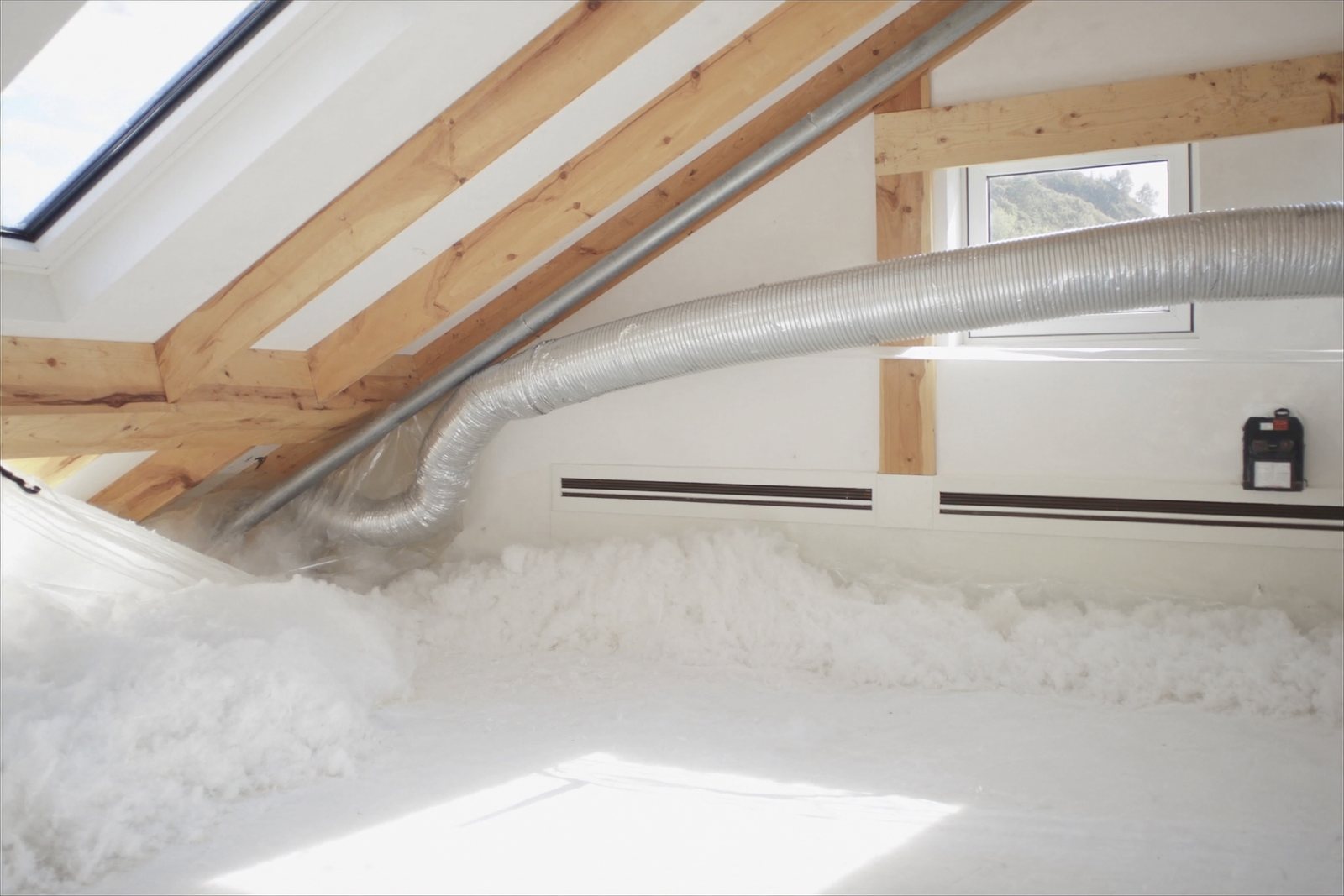
Take a new, correctly sized, perfectly installed air handler and bolt it onto ducts that cannot carry its air, and you get a loud system that wears out its blower early and never quite heats the back bedroom. The number that predicts this is total external static pressure, and we take it twice on every job.
What the number is
Static pressure is the resistance the blower pushes against, measured in inches of water column. We drill two test ports — one on the return side of the air handler, one on the supply — and read the difference with a manometer. Most residential equipment is rated for a maximum of 0.50 in. wc. Above that, airflow drops, the blower ramps up to compensate, and the motor runs hot.
Reading one: before we quote
We measure the existing system on the walk-through. It takes ten minutes and it changes estimates. The Sellwood house in our before-and-after photographs read 0.82 — sixty percent over the rating — because the return was a single 14-inch duct feeding a furnace that wanted two, and the filter rack held a one-inch pleated filter that had turned into a wall.
If we had quoted a heat pump without that reading, the new system would have inherited the problem. Instead the estimate carried a second return and a four-inch media filter rack as line items, and the customer could see why.
Reading two: before we leave
After commissioning we measure again with the new filter in place and every register open. The Sellwood house came down to 0.48. That reading goes on the commissioning report beside the manufacturer’s maximum, and it is the number we would hand a warranty adjuster if anything ever went wrong with the blower.
What we do when it is high
| Cause | Fix | Typical cost |
|---|---|---|
| Undersized return | Add a second return, upsize the grille | $600–$1,400 |
| Restrictive filter | 4-inch media rack | $280–$420 |
| Crushed or kinked flex | Replace the run, support every 4 ft | $180–$600 per run |
| Closed dampers, dirty coil | Open, clean | Included |
None of that is glamorous, and none of it shows in the photograph of the new outdoor unit. But it is the difference between a system that runs inside its numbers for fifteen years and one that does not, and it is why the reading is on every report we sign.